
You think gaming is just escape.
Or worse (you’ve) heard it’s rotting your brain.
I used to believe that too. Until I watched friends rebuild confidence after anxiety attacks by joining co-op raids. Until I saw veterans use rhythm games to retrain focus after PTSD.
Until I noticed how my own stress dropped after thirty minutes of building in Minecraft.
It’s not magic. It’s design. Games give your brain clear goals, instant feedback, and safe failure.
All things therapy tries to teach.
This article cuts through the noise about How Gaming Can Help Mental Health Elmagplayers. No hype. No jargon.
Just what works (and) why.
You’re here because you’re tired of choosing between “play” and “feel better.”
What if you didn’t have to pick?
We’ll look at real ways games lower stress. How they build real social ties (not) just avatars in a lobby. And when they don’t help (because yeah, sometimes they don’t).
I’ve spent years watching this space. Not as a researcher. Not as a marketer.
As someone who plays (and) cares about mental wellness.
You’ll walk away knowing exactly which games fit which needs.
And how to use them (on) your terms.
Gaming Is My Reset Button
I play games when my brain feels like static. Not to win. Not to grind.
To shut the world off for twenty minutes.
How Gaming Can Help Mental Health Elmagplayers? It’s not magic. It’s physics.
My attention snaps into the game. And poof. The email I haven’t sent, the bill I’m avoiding, the argument I replayed in my head?
Gone.
I get into flow state fast. That’s when time blurs and I stop thinking about myself. Just movement.
Just choice. Just consequence. No overthinking.
Just doing.
Simulation games like Stardew Valley or Animal Crossing work best for me. They’re soft. No timers.
No fail states. Just planting, watering, talking to villagers. (Yes, I named my goat “Regret.”)
Story-driven games like Journey or Spirit Island pull me in deeper. I forget my name. I care about characters more than my own to-do list.
Small wins matter. Fixing a broken fence. Solving a puzzle.
Leveling up a skill. Each one is dopamine with receipts.
You ever finish a level and realize you haven’t checked your phone in twelve minutes? That’s not coincidence. That’s design working.
If you need quiet, try Elmagplayers. They build games that breathe with you instead of yelling at you. Elmagplayers
No pressure. No score. Just space.
That’s enough.
Gaming Is Not Solitary
I used to think gaming meant sitting alone in the dark.
Turns out I was dead wrong.
Online multiplayer games are full of people talking, planning, failing together. And laughing about it. You’re not just clicking buttons.
You’re coordinating raids, calling out enemy positions, reviving teammates who just got ambushed (again).
That shared tension? That victory dance after a hard win? It builds real connection.
Guilds and Discord servers aren’t just chat rooms. They’re places where people show up daily. Not because they have to, but because they want to.
I’ve watched shy players become raid leaders.
I’ve seen someone with social anxiety type their first full sentence in voice chat. And get cheered for it.
Teamwork in games forces you to listen, adapt, trust. No PowerPoint. No icebreakers.
Some people find face-to-face interaction exhausting. Online play gives them control over pace, tone, and exposure. They build confidence there first.
Just real-time cooperation with real consequences (like losing the boss… again).
Then sometimes carry it offline.
How Gaming Can Help Mental Health Elmagplayers isn’t some vague promise.
It’s what happens when you log in and someone says “Glad you’re here.”
And means it.
Games That Sharpen Your Brain
I play games to relax.
But I also notice my focus getting tighter.
Many games force me to think ahead, weigh risks, and act fast.
That’s not just fun. It’s mental reps.
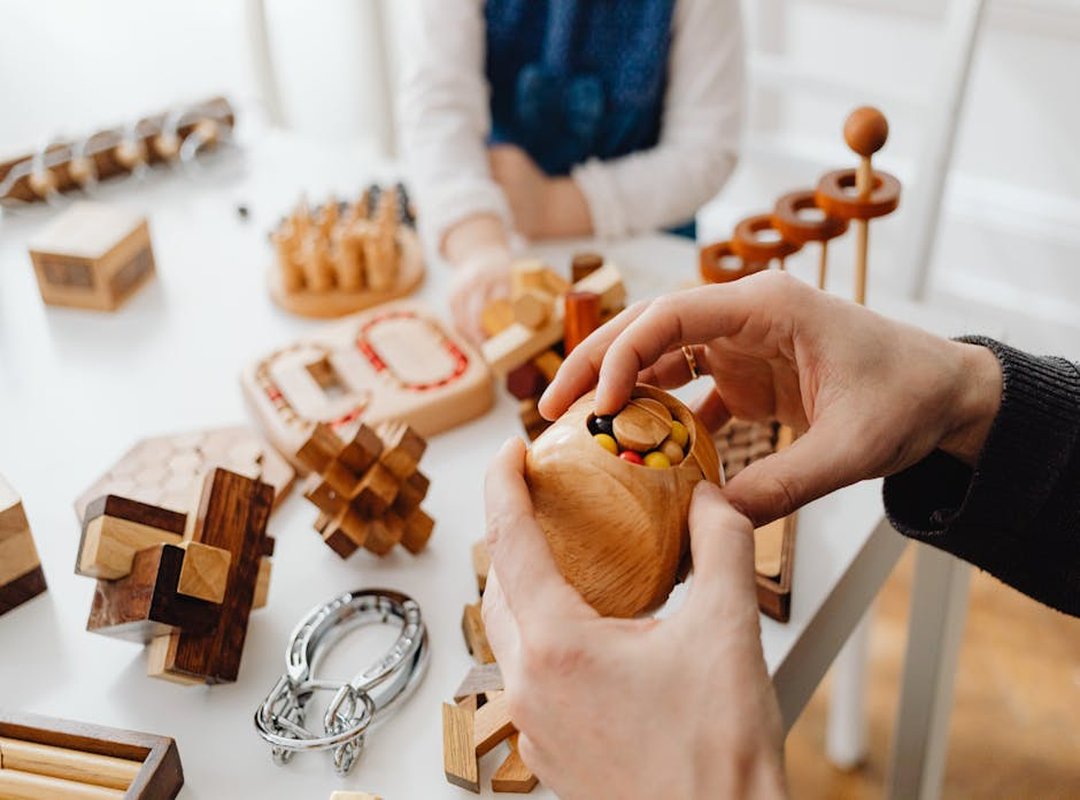
Puzzle games like Portal make you test assumptions. Plan games like Into the Breach demand trade-offs every turn. Even RPGs with branching choices train memory and consequence tracking.
You’re not just clicking.
You’re building neural pathways.
Studies link this to better reaction time, working memory, and sustained attention.
(Yes, that includes ignoring your phone for 20 minutes straight.)
Failing a boss fight five times?
That’s not frustration. It’s resilience training.
You learn to adjust, try again, and trust your own problem-solving.
That “I got this” feeling doesn’t stay in-game.
How Gaming Can Help Mental Health Elmagplayers isn’t hype.
It’s what happens when you treat play like practice.
Want practical ways to build those skills without burnout?
Check out Elmagplayers Gaming Tips From Electronmagazine for real talk on pacing, genre picks, and avoiding mental fatigue.
You don’t need to grind 10 hours.
Five focused minutes count.
Try it today.
Losing Builds Grit
I lose. A lot. In games, it’s obvious.
Screen flashes red, music stings, I’m back at the checkpoint.
That sting used to make me slam the controller down. Now I pause. Breathe.
Try again.
You feel that too, right? That heat in your chest when you fail for the third time?
It’s not about winning. It’s about what happens after the loss.
I’ve learned to sit with frustration instead of exploding. Not because I’m calm (I’m) not. But because the game won’t restart until I do.
Real life doesn’t give you a respawn button. But it does ask you to keep going after bad news, flat tires, or missed deadlines.
When a boss fight changes mid-battle (or) the map shifts, or your gear breaks. You adapt fast. No time for panic.
Just adjust and move.
That same reflex shows up when my train gets canceled or my laptop dies before a deadline.
I’m not sure how much of this transfers directly. But I am sure I handle stress better now than I did five years ago.
And I didn’t learn it from a seminar. I learned it from dying, reloading, and trying one more time.
How Gaming Can Help Mental Health Elmagplayers isn’t magic. It’s repetition under low-stakes pressure.
Want proof? Check out What Are the Latest Gaming Trends Elmagplayers (some) of those trends are built around exactly this kind of resilience training.
Your Controller Is a Coping Tool
I used to think gaming was just escape.
Turns out it’s one of the few things that actually lowers my stress without me realizing it.
You probably feel overwhelmed. Tired. Like your brain won’t shut off.
That’s why How Gaming Can Help Mental Health Elmagplayers matters. Not as a distraction. As real relief.
Games give you control when life doesn’t. They build connection. Even if it’s just voice chat with someone halfway across the world.
They sharpen focus. They let you fail safely.
But here’s what no one tells you: not all games serve your mental health the same way. A chaotic shooter at 11 p.m. won’t calm your nervous system. A slow-paced puzzle game might.
A co-op adventure could rebuild trust in people.
So ask yourself: what do I need right now? Calm? Connection?
A win?
Then pick the game that matches. Not the one everyone’s streaming.
And don’t go all-in. Gaming works best when it’s part of your routine. Not the whole thing.
Walk outside. Talk to someone face-to-face. Sleep.
None of this cancels out the rest.
It stacks.
You already know gaming helps.
You just didn’t know it counts.
So next time you pick up a controller, remember (you’re) not just playing a game.
You’re choosing how to show up for yourself.
Start today. Open the game that fits your mood (not) the trend. Then breathe.
Then play.